.png)


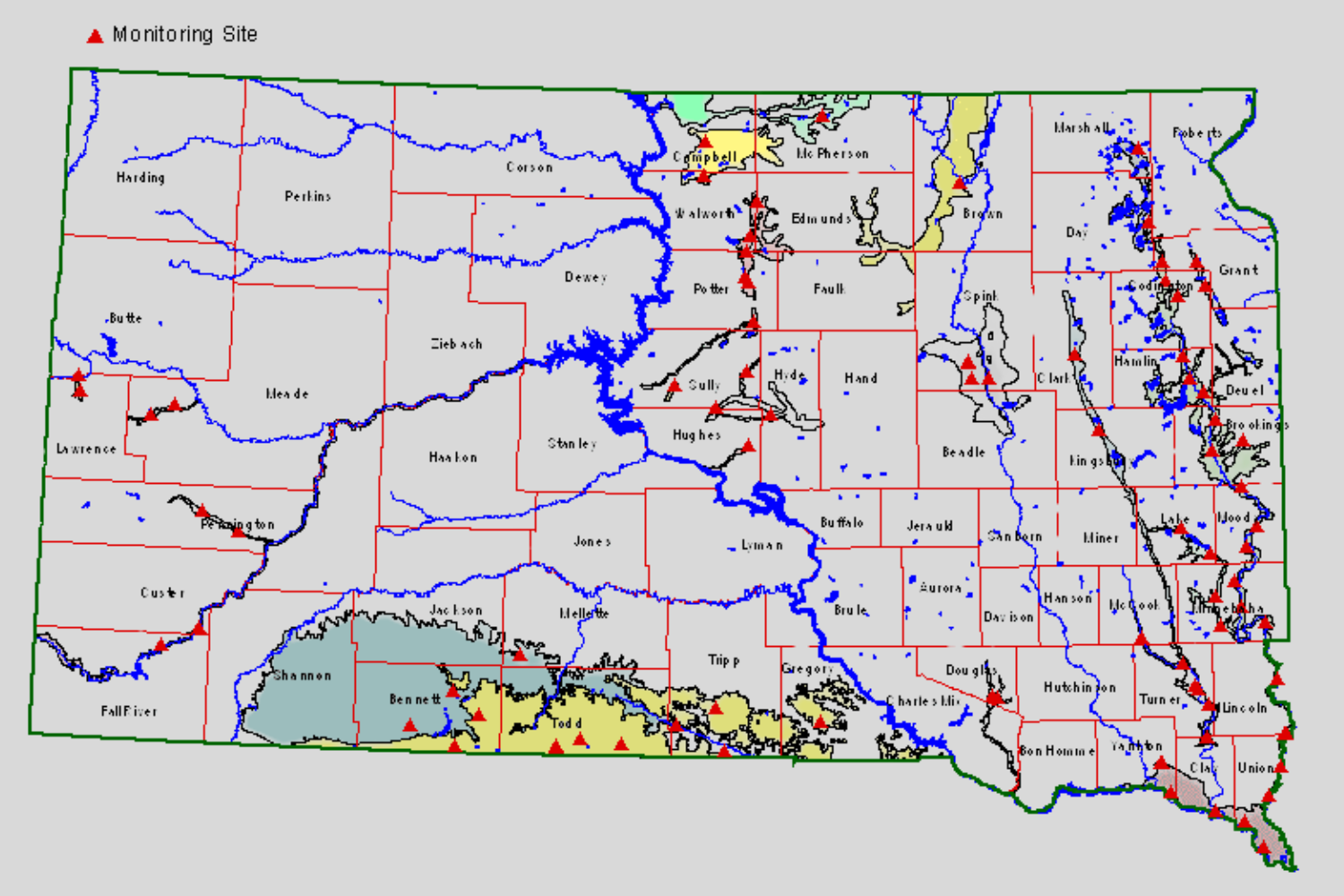

South Dakota does not measure water hardness the way the rest of the country does. It cannot afford to. The state publishes its own scale because the national one runs out of room, and the numbers beneath it explain why homeowners here spend money on water and still end up disappointed.
The Hardness Scale South Dakota Had to Rewrite
The Water Quality Association classifies anything above 10.5 grains per gallon as very hard. South Dakota's Department of Agriculture and Natural Resources publishes a separate scale for state residents, and on that scale, 26 to 50 grains per gallon is labeled average. Very hard does not begin until 51. Extremely hard starts above 75. A national scale simply cannot describe this state.The Water Quality Association classifies anything above 10.5 grains per gallon as very hard. South Dakota's Department of Agriculture and Natural Resources publishes a separate scale for state residents, and on that scale, 26 to 50 grains per gallon is labeled average. Very hard does not begin until 51. Extremely hard starts above 75. A national scale simply cannot describe this state.
Hardness Is Not the Danger
Hard water is an expense, not a health threat. It scales water heaters, shortens appliance life, and wastes soap and detergent. The genuine risks in South Dakota groundwater are the ones you cannot see, taste, or smell, and roughly 74 percent of the state's residents drink groundwater every day.
Arsenic is naturally present in these aquifers. A study of 371 private wells in tribal communities across the Dakotas found 26 percent above the EPA arsenic limit, roughly four times the national rate. Nitrate from fertilizer is the other concern, and it endangers infants long before it changes the taste.
Here is what most homeowners never hear: a water softener does not fix any of that. The state's own guidance is blunt about it. Softeners do not reduce nitrate, sulfate, fluoride, or total dissolved solids, and they add sodium to your water. Softening and filtering are two different jobs.
Four Steps Before You Spend a Dollar
Roughly 110,000 South Dakotans draw from private wells, which no federal agency regulates or tests. Whatever your source, the order of operations is the same:
- Test First: Use a state-certified lab for hardness, iron, nitrate, arsenic, and coliform before anyone quotes you equipment.
- Know Your Source: City water is tested and reported annually; a private well is tested only when you pay to have it done.
- Match the Problem: A softener handles hardness and iron. Nitrate and arsenic require reverse osmosis or a dedicated filter.
- Demand the Numbers: Any installer worth hiring will size equipment to your measured hardness and tell you in writing what it does not remove.
Making the Decision With Open Eyes
The honest version is less exciting than the sales version. Most South Dakota homes genuinely need softening, because the water here is among the hardest in the country and scale is a slow tax on every appliance you own. Many homes also need a drinking water filter, for entirely different reasons, and one piece of equipment will not do both jobs. A company that leads with a price instead of a test result is guessing, and you pay for the guess.
You do not need to become a water chemist. You need one lab report and the willingness to ask what each number means. That single sheet of paper turns a pressured sales conversation into an ordinary purchase, because it replaces the installer's opinion with your own facts. Test your water, read the results, and buy only what those results justify. Where average hardness runs five times the national threshold, guessing is the most expensive option available